



January 26, 2026
Prices stable amid business activity decline
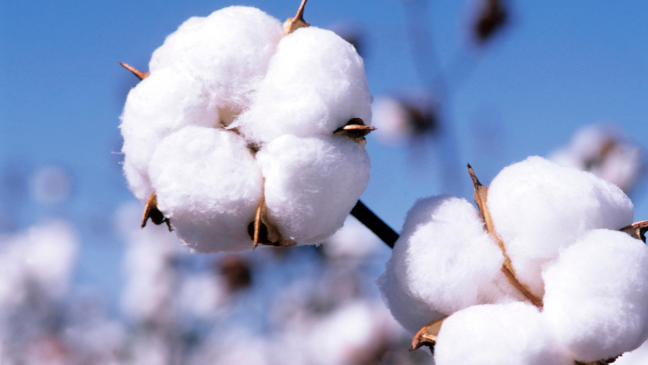
Cotton prices have remained stable while a decline in business volume has been observed.
The Federation of Pakistan Chambers of Commerce and Industry has demanded that the government impose an industrial emergency in the country.
The Pakistan Business Forum states that due to production cost exceeding thirty-four percent, our industry has become unable to sell goods, which has caused the economy to become imbalanced. Malik Talat Sohail says that exports are not progressing beyond the levels of two thousand twenty-two, and the closure of manufacturing continues with more than four hundred ginning factories and one hundred fifty textile industries among all manufacturing units shutting down.
APTMA states that due to high energy prices, elevated interest rates, and an overwhelming burden of various excessive taxes, not only the textile sector but all industries of the country are becoming inactive in such circumstances.
According to sources, approximately eight to nine hundred thousand bales of Afghan cotton were imported to Pakistan, which has stopped being imported due to the closure of Afghanistan’s borders, and now this cotton is being exported to Bangladesh and China.
For the past forty-five days, the Evacuee Property Trust Board, with the assistance of the Federal Investigation Agency, has sealed the building of the Karachi Cotton Association, due to which the highly important daily cotton spot rate could not be issued.
Three hundred twenty registered cotton brokers appeal that the building of the Karachi Cotton Association, which earns and provides billions of dollars to the country, has been seized and sealed for forty-five days, therefore the authorities should intervene.
During the past week in the local cotton market, the prices of quality cotton continued to remain stable. Quality cotton is becoming increasingly scarce with each passing day. Major textile groups are occasionally acquiring quality cotton selectively, and it appears that quality cotton may soon be depleted. Several ginners are holding cotton stocks and demanding higher prices, although APTMA is complaining almost daily about the continuous deterioration of the textile sector.
In such circumstances where there are high energy costs, elevated interest rates, and a multitude of various taxes, not only the textile industry but all industries across the country are becoming inactive.
According to FPCCI, if industries in the country are to be saved, an industrial emergency should be implemented immediately. Industries have reached this critical point, but it seems that those in authorities are in deep slumber, as if they have no concern whatsoever for this dire situation.
Daily newspapers and electronic media convey the message that everything is fine and the country is on the path of progress, whereas in reality the situation is quite the opposite.
For several years we had been importing approximately eight to nine hundred thousand bales of cotton from Afghanistan, which were lower in price and deliveries were also almost immediate. Considering our cotton requirements, approximately seventy-five to eighty ginning factories were established in Afghanistan. Cotton from Afghanistan was imported only by Pakistan. For several months now, trade with Afghanistan has been suspended.
The Afghan government is providing subsidies to ginners there, and cotton is being exported to Bangladesh and China.
According to received information, export agreements have been made with Bangladesh and China for two thousand tons of cotton each, and export agreements have also been concluded with Turkey and Iran. Thus the cheap cotton that was being imported for our textile industry and was available for the domestic textile sector has now been discontinued.
This is because for the past forty-five days EPTB, with the assistance of FIA, has sealed the KCE building, due to which the highly important daily cotton spot rate could not be issued.
In the provinces of Sindh and Punjab, cotton prices have been recorded at 15,000 to 16,700 to 16,900 rupees per maund, depending on quality and payment conditions. Ginned cotton is also available in limited quantities. The prices of cottonseed, cottonseed cake, and cottonseed oil are showing an increasing trend.
Naseem Usman, Chairman of the Karachi Cotton Brokers Forum, reported that the international cotton market has shown a mixed trend. The New York cotton futures price is ranging between 64 to 68 American cents per pound. According to the USDA’s weekly export and sales report, sales of 412,500 bales were recorded for the year 2025-26.
Vietnam topped the list of buyers by purchasing 220,700 bales. Bangladesh ranked second with purchases of 38,600 bales. Pakistan secured third position by purchasing 31,800 bales. For the year 2026-27, sales of 25,900 bales were recorded. Nicaragua led with purchases of 9,900 bales. Turkey ranked second by purchasing 8,500 bales. Indonesia came third with purchases of 7,500 bales. Pakistan ranked fourth with purchases of 2,700 bales.
Exports totalled 187,800 bales. Vietnam topped the import list by importing 62,300 bales. Pakistan ranked second by importing 45,900 bales. Indonesia came third by importing 16,600 bales.
Furthermore, the cotton industry generates billions of dollars in exports for the country and earns billions of dollars in foreign exchange. The Cotton Exchange houses offices of major institutions and exporters linked to cotton who contribute billions of dollars to the national economy and are patriotic entities.
The Cotton Exchange has been operating for 85 years and is a building connected to international business.
However, the EPTB has sealed it for the past 45 days with the assistance of the FIA. There are 320 registered cotton brokers whose offices conduct business worth millions of rupees daily. They handle thousands of cotton bales daily for textile mills and ginners.
The KCA’s daily cotton spot rate holds significant importance for commercial organizations, banks, insurance companies, textile mills, and ginning factories. This building has been owned by the KMC for decades, and the KCA has been regularly paying lease amounts. The lease has been paid up to 2081.
The question arises as to how the EPTB is now claiming ownership of the KCE building after approximately 85 years. Karachi Mayor Barrister Murtaza Wahab clearly stated in the Sindh High Court that this building is the property of the KMC, and the Sindh High Court has also issued a stay order.
There is a dispute between the KMC and the EPTB, and the Sindh High Court has ruled in favour of the KMC. If a stay order has also been issued, then why has the EPTB sealed the KCE building for the past 45 days and closed 209 offices? A petition has been filed in the Sindh High Court, and now the court will decide the matter.
Meanwhile, the economy is suffering from imbalance as the industry is unable to sell its products in the world market due to production costs that are 34 percent higher than those in the region.
President Khawaja Mehboob-ur-Rehman, Chief Organizer Ahmed Jawad, and Chairman for South and Central Punjab Talat Sohail criticized government policies, stating that exports have not progressed beyond the levels of 2022. The closure of more than 400 ginning factories, 150 textile industries, and all manufacturing industries continues.
Agriculture and industry are suffering from decline due to excessive taxes. They argued that production can be increased by immediately eliminating the general sales tax imposed on cotton products, cottonseed cake, cottonseed oil, and raw cotton. They urged the government to urgently review policies in consultation with stakeholders on an emergency basis so that industries can operate and the country’s exports can increase.
Moreover, more than 150 factories have already closed, and more are on the verge of closure. To save the textile industry, the government should immediately reduce electricity and gas prices, lower the interest rate to below ten percent, and eliminate unjustified taxes. This demand was made by Kamran Arshad, Chairman of the All Pakistan Textile Association, who was addressing a press conference alongside officials from other textile organizations. He stated that the government should provide electricity to the industry at 9 cents, end cross-subsidies, eliminate peak hour rates, and establish flat rates. The interest rate should be reduced to single digits between seven to eight percent, and unjustified taxes should be eliminated.
Exports have decreased from 16.5 billion dollars to 15 billion dollars since October. The government should include stakeholders in policy-making. He remarked that the government is making claims about economic improvement based on assumptions, but if there is economic growth, why are multinational companies leaving the country?.
January 15, 2026
Agri dept delegation visits APTMA.
The Minister for Agriculture, Government of Punjab, Sayed Ashiq Hussain Kirmani
along with Secretary Agriculture Punjab Iftikhar Ali Sahoo, visited the APTMA office Lahore Wednesday.
The delegation also included senior officials from the Punjab Agriculture Department, notably Dr Anjum Buttar (Executive Member, PARB), Abdul Hameed (Director General Agriculture Extension), and Naveed Asmat Kholo.
The visiting delegation was warmly received by Chairman APTMA Kamran Arshad, Chairman APTMA North Asad Shafi, Treasurer North Mohammad Qasim, S M Nabeel, Muhammad Ali Chaudhry, Energy Advisor Tahir Basharat Cheema, Secretary General APTMA Raza Baqir, and other senior members of APTMA.
During the meeting, Chairman APTMA Kamran Arshad briefed the delegation on APTMA’s role and the critical contribution of the textile sector to Pakistan’s national economy and exports. He highlighted that, in addition to high energy costs, the textile industry is facing a severe crisis due to the continuous decline in domestic cotton production. He expressed serious concern that if urgent corrective measures are not taken, cotton cultivation could disappear from Pakistan.
Chairman APTMA informed the house that APTMA is proactively working to revive cotton in close collaboration with key stakeholders, including Green Pakistan Initiative, Pakistan Cotton Ginners Association (PCGA), Pakistan Kisan Ittehad, and others. Through extensive consultations, APTMA has developed a comprehensive Cotton Revival Roadmap, which includes the establishment of a central R&D controlling body the Pakistan Cotton Board. He emphasized that the implementation of this APTMA-developed cotton revival plan is essential to safeguard the future of cotton in Pakistan.
Asad Shafi, Chairman APTMA North, stated that Pakistan has the capacity to double its textile exports provided that energy tariffs and raw material prices are made competitive.
Dr Muhammad Javed, Cotton Advisor APTMA, gave a detailed presentation on the cotton revival plan, stressing the urgent need for the establishment of the Pakistan Cotton Board at the national level. He informed the participants that the Cabinet Committee on Cotton Revival, chaired under the leadership of the Deputy Prime Minister, has already issued directions for the implementation of the APTMA-developed cotton revival plan.
Addressing the meeting, Minister Agriculture Punjab Sayed Ashiq Hussain Kirmani thanked APTMA for its leadership and reaffirmed the full support of the Government of Punjab to the textile industry. He stated that cotton is Punjab’s main cash crop, and the province cannot afford a further decline in cotton area and production. He shared that over the last two years, the Punjab Government has made strong efforts to revive cotton cultivation, though further coordinated actions are still required.
The Minister highlighted that water-intensive crops are not a sustainable option in many parts of Punjab. He referred to the ban on early rice cultivation last year, which helped promote early cotton sowing and yielded positive results. He further informed that Punjab is engaging with countries such as the United States and China to strengthen research collaboration and develop climate-resilient cotton seed varieties. The Minister offered full cooperation to APTMA and invited its officials to the Agriculture Department for a detailed technical session. He also assured that the APTMA Cotton Revival Plan would be transformed into a collective national plan after consultations with farmers and all stakeholders.
Secretary Agriculture Punjab Iftikhar Ali Sahoo informed the meeting that Punjab has finalized its Cotton Strategy for 2026 well in advance. He strongly endorsed the need for a central national cotton body to control and coordinate R&D, terming it the only sustainable solution for the revival of cotton in Pakistan.
January 05, 2026
Cotton brokers incurring huge losses due to closure of KCA building
A serious situation has emerged concerning the building of the Karachi Cotton Association when, since 12th December 2025, the Evacuee
Property Trust Board suddenly took possession of the Karachi Cotton Association building with the assistance of the Federal Investigation Agency.
Due to this action, 320 registered cotton brokers and tenants are facing extremely difficult circumstances. The affected individuals have demanded that the premises be unsealed and tenants be allowed to conduct business, as losses worth millions of rupees are being incurred on a daily basis.
The most alarming aspect of this situation is that for the first time in the 52-year history of the Karachi Cotton Association, the daily Cotton Spot Rate could not be issued. This spot rate is of utmost importance in the cotton markets and provides essential guidance to traders. Concerned circles have demanded its immediate restoration. Currently, negotiations are ongoing between the Evacuee Property Trust Board and the Karachi Cotton Association administration to find a resolution to this dispute.
Head Transfer of Technology Central Cotton Research Institute Multan Sajid Mahmood said that the daily cotton spot rate has not been issued for the past 21 days, which has become a major challenge for the industry. On another hand, the Pakistan Cotton Ginners Association has emphasized in its report the need for strict monitoring in cotton production, research and ginning processes to maintain quality standards.
The local cotton market maintained overall price stability for quality cotton during the past week, although trading volume remained low. Since the previous week marked the final week of 2025, the market experienced an increased financial crisis due to bank closures.
According to the data released by the Pakistan Cotton Ginners Association (PCGA) on January 3, 2026, a total of 5,434,044 bales of cotton had been recorded in Pakistan as of December 31, 2025.
The Federal Board of Revenue has been conducting raids on ginning factories and has seized registers and records from several ginners for tax payment purposes, which has caused anxiety among the ginners. According to the ginners, the Pakistan Cotton Ginners Association should take notice of this matter.
On the other hand, the All Pakistan Textile Mills Association has directed the Federal Board of Revenue to install camera monitoring systems at ginning factories to oversee cotton transactions. According to their statement, unregistered transactions take place at ginning factories.
Approximately 320 registered cotton brokers and tenants have strongly condemned the action taken by the Evacuee Property Trust Board with the assistance of the Federal Investigation Agency to seal the Karachi Cotton Exchange Building since December 12th and take it into possession. They demand that the seal be removed immediately and permission be granted to resume business operations. Negotiations between the Karachi Cotton Association and the Evacuee Property Trust Board should continue because the sealing of the entire building is affecting business worth millions of rupees daily. The tenants are in great distress as approximately five thousand people have become unemployed.
In the provinces of Sindh and Punjab, cotton prices ranged from 14,000 to 16,200 rupees per maund depending on quality and payment conditions.
Phutti, which is available in limited quantities, is priced between 6,000 to 8,000 rupees per 40 kilograms according to quality.
In Balochistan province, cotton prices ranged from 15,500 to 16,200 rupees per maund, while Phutti prices ranged from 7,800 to 8,500 rupees per 40 kilograms.
The prices of cottonseed cake and oil remain generally stable.
Naseem Usman, Chairman of the Karachi Cotton Brokers Forum, stated that international cotton prices show a mixed trend. The New York cotton futures price is moving between 65 to 68 American cents per pound.
Karachi Mayor Barrister Murtaza Wahab has clearly stated in his declaration, which has been broadcast across all print and electronic media outlets in Pakistan, that the Karachi Cotton Association building is the property of the Karachi Metropolitan Corporation. According to the mayor, the KMC has owned this property since 1936.
The Karachi Cotton Association paid its lease until 2081, but after that period, according to the Karachi mayor, the Evacuee Trust Property Board, with the assistance of the Federal Investigation Agency, has maintained illegal occupation of the premises since December 12.
The Federal Investigation Agency has issued a detailed response letter rejecting the concerns raised by Karachi Mayor Murtaza Wahab regarding the sealing of the Karachi Cotton Exchange Building, identified as Property Number SR-4/6. The FIA has revealed that the occupation of the aforementioned property by the Karachi Cotton Association and its lease documents appear to be fraudulent and bogus.
In the letter sent to the Karachi mayor, the FIA has clarified that this action is not the result of political pressure or haste, but rather compliance with the Supreme Court of Pakistan’s orders from November 2021, which directed the vacation of properties belonging to the Evacuee Trust Property Board.
Furthermore, we, the approximately 320 cotton brokers and other tenants who have been conducting business at the KCA for several decades, are suffering severe mental and financial losses due to this action by the Evacuee Trust Property Board and the FIA. We are experiencing daily losses amounting to millions of rupees. Our employees and thousands of people have become idle and unemployed, and this is also causing losses to the government in terms of revenue that previously brought in millions of rupees.
Additionally, due to the suspension of the daily cotton spot rate issued by the KCA, the cotton trade is being affected throughout Pakistan and at the international level. The absence of daily cotton spot rates is severely impacting bankers, insurance companies, textile mills, ginners, and cotton farmers.
We demand from the ETPB and FIA that the seal placed on the KCA building, which according to the Karachi mayor is illegally imposed, be removed immediately and that we be allowed to conduct business in our offices.
Head Transfer of Technology Central Cotton Research Institute Multan Sajid Mahmood said that according to the data released by the Pakistan Cotton Ginners Association (PCGA) on January 3, 2026, a total of 5,434,044 bales of cotton had been recorded in Pakistan as of December 31, 2025. During the same period last year, the total cotton arrival was 5,452,250 bales, indicating that no significant increase or decrease in arrivals was observed. According to available data, textile mills consumed 4,708,380 bales this year, while exporters and market players received 176,000 bales. In comparison, textile mills had utilized 4,650,000 bales last year, and exporters and market players received 180,000 bales.
At present, the total cotton stock in the country stands at 549,664 bales, including 481,966 pressed bales and 67,698 loose bales. Last year at this time, the total stock was 588,531 bales, indicating a slightly lower stock level this season.
This year, cotton flow has been recorded at 132,636 bales, compared to 84,916 bales last year, reflecting a notable change in the movement of cotton. Currently, 223 ginning factories across the country are operational and utilizing available cotton.
The total annual cotton demand of Pakistan’s textile industry is approximately 16 million bales. However, for several years, available figures have remained limited to 11 to 12 million bales. To bridge this gap, around 5 million bales are imported annually, costing billions of dollars. This highlights the importance of enhancing domestic cotton production to strengthen the textile sector’s capacity and contribute positively to the national economy.
Investment in research and development is essential to improve cotton production, effectively addressing challenges related to climate change, crop diseases, seed quality and farmers’ production constraints. In addition, rigorous monitoring and the implementation of video surveillance at the ginning stage are crucial to accurately account for 2 to 3 million unregistered bales each year and to ensure alignment between PCGA and the Punjab Agriculture Department’s Crop Reporting Service data.
APTMA’s position is fully valid and commendable, that video monitoring and strict oversight should be applied at the ginning level. This will ensure transparency, provide accurate estimates of cotton stocks, market transactions and production, and identify unregistered bales. Implementing APTMA’s recommendation will not only enhance domestic production but also strengthen the capacity of the textile sector and contribute to national economic stability.
Sajid said just as the textile industry emphasizes a level playing field to remain competitive in the region, requiring affordable electricity, reliable energy and lower taxes as seen in Bangladesh, Vietnam, India and China, the same principle applies to the foundational cotton sector. It is universally acknowledged that the sustainable growth of the textile industry directly depends on the availability of cotton, higher yields and quality fiber. A strong raw material base naturally strengthens the entire value chain.
Major cotton-producing countries, including China, the United States, Australia and India, have treated cotton as a strategic crop. These countries have consistently invested heavily in cotton research and development, established advanced research facilities and strengthened scientific human resources. This policy continuity has resulted in increased yields per acre, introduction of superior quality varieties and adaptation of cotton to changing climatic conditions.
In Pakistan, the Pakistan Central Cotton Committee (PCCC) serves as the principal institution for cotton research, playing a pivotal role in national agricultural research. In the past, PCCC’s annual budget was limited to approximately PKR 25 to 30 crore, restricting research and development capacity. It is encouraging that, with the efforts of APTMA’s current leadership and the Ministry of National Food Security & Research, the budget has recently increased to approximately PKR 70 to 80 crore, although it remains modest compared to international standards. Furthermore, the current workforce represents only 27 percent of the sanctioned strength of 758 scientists and staff, highlighting the need for further strengthening.
The Government of Pakistan’s decision to merge the PCCC with the Pakistan Agricultural Research Council (PARC) is timely and constructive. This merger will facilitate institutional coordination, optimize resource utilization, provide access to modern research facilities and enhance integration of agricultural research at the national level. Completing this process promptly will enable scientists and researchers to perform their responsibilities with greater focus and efficiency.
Modernizing PCCC’s research infrastructure is a critical part of this initiative. Cutting-edge biotechnology, genomics, marker-assisted breeding, digital agriculture and climate-resilient research can significantly improve cotton yield and quality. Enhancing workforce capacity and linking research directly to farmers and the industry will further ensure future success.
Investment in cotton research and development is, in effect, a direct investment in the future of Pakistan’s textile industry and national economy. Recent government initiatives reflect a positive trajectory and consistent implementation of these policies can help Pakistan enhance cotton production and strengthen its competitive position in the region.
January 01,2026

FIA & ETPB action KCA says not fixing cotton spot rates since Dec 13th
The Karachi Cotton Association is surprised to note that some quarters are quoting spot rates of cotton in various social media groups and other platforms in the name of the Karachi Cotton Association.
In this context, the Karachi Cotton Association clarifies that due to suspension of all its operations in the backdrop of sealing of the Cotton Exchange Building by the FIA and Evacuee Trust Property Board on 12-12-2025, the Karachi Cotton Association is not fixing daily spot rates of cotton since 13-12-2025.
The Karachi Cotton Association also clarifies that the Spot Rates of Cotton being quoted by some quarters in their vested interest in the name of the Karachi Cotton Association in various Social Media Groups and other platforms are illegal, uncalled for and leading to misguide the Cotton Traders, Banks and Insurance Companies.
The Karachi Cotton Association is not responsible for the Spot Rates of Cotton being quoted illegally by some quarters in the name of the Karachi Cotton Association in various Social Media Groups and other platforms.
The Karachi Cotton Association reserves a right to take legal action against the operators of Social Media Groups and others concerned with this illegal activity.